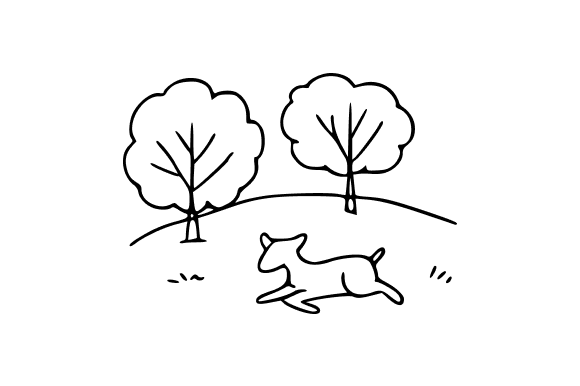
Deer in Field Clip Art for Real Embroidery
As someone who has spent years turning digital graphics into stitched reality, I approach every new asset with a mix of excitement and skepticism. You see the pretty image on the screen, but can it actually survive the rigors of a machine embroidery project? Today, I am putting Deer in Field Clip Art through that exact evaluation. This isn't just about looking at an illustration; it is about understanding how this design behaves when translated from pixels to thread, especially for those of us running small businesses or creating personalized gifts.
The first impression of Deer in Field Clip Art is one of serene rustic charm. The composition feels organic, capturing a moment of stillness that translates well to textile art. For an embroidery designer, the initial question is always about the mood: does this feel like a quick hobby stitch or a premium boutique item? The answer leans heavily toward the latter. The visual personality of the piece suggests a soft, inviting aesthetic that fits perfectly within the current trend of nature-inspired home decor and artisanal apparel. It creates an immediate emotional connection, which is exactly what you want when designing for Etsy sellers or craft fair booths.
I recently considered using this specific graphic for a custom embroidered tote bag project intended for a local farmer's market vendor. The client wanted something that screamed "local" and "handmade." When I laid out the concept, Deer in Field Clip Art felt like the natural choice. Unlike generic floral patterns that can look mass-produced, this illustration carries a specific narrative weight. It implies a story of the outdoors, making it ideal for a tote bag that will be used to carry fresh produce or gardening tools. However, the transition from a digital vector to a physical stitch requires careful planning.
Real-World Performance on Custom Apparel and Home Goods
When evaluating how Deer in Field Clip Art performs as a machine embroidery design, we have to look beyond the line art. In a real-life scenario, such as embroidering a sweatshirt or a baby onesie, the density of the fill stitches becomes critical. If the original illustration contains too many intricate details, they might get lost in the fabric texture. My assessment is that this design shines best on stable fabrics like cotton canvas, denim, or high-quality fleece. These materials provide the necessary foundation for the stitch density to hold its shape without puckering.
For a boutique product line, consider applying this design to aprons or kitchen towels. The theme aligns beautifully with farmhouse aesthetics. Imagine a set of embroidered tea towels featuring this deer motif hanging in a customer's kitchen; it elevates a simple utility item into a decorative accent. Similarly, for holiday gifts, placing this graphic on a pillow cover or a blanket adds a touch of warmth. The design acts as a focal point, drawing the eye immediately. It works particularly well for embroidered patches that are meant to be sewn onto jackets or caps, provided the background is handled correctly to ensure the edges lay flat.
However, not every surface is suitable. I would advise against using this design on stretchy knits unless you use a heavy-duty stabilizer, as the movement of the fabric can distort the delicate lines of the field. Furthermore, if you are targeting the nursery market, this design is excellent for baby clothes, but you must ensure the thread colors are skin-safe and the stitching is not too stiff against a baby's delicate skin. The versatility of Deer in Field Clip Art is its greatest strength, but that strength relies entirely on the execution of the embroidery file.
Navigating Technical Challenges and Fabric Textures
Every designer knows that the devil is in the details. With Deer in Field Clip Art, there are specific areas where caution is required. If you plan to use a small hoop size, you risk losing the integrity of the outer elements of the illustration. The running stitch lines that define the grass or the outline of the deer need enough space to breathe. If the design is scaled down too much, these lines may merge, creating a muddy appearance rather than a crisp image.
Textured fabrics present another hurdle. While a linen or burlap background might look great in a mockup, the uneven surface can make it difficult for the needle to penetrate consistently. This can lead to skipped stitches or thread breaks, ruining the final product. For dark fabrics, the contrast is key. You will likely need a light-colored underlay or a specific thread palette to ensure the deer stands out. Testing the design in black and white mockups is a smart step before committing to expensive threads, as it helps visualize the tonal balance.
Layered garments, such as hoodies with front pockets, add curvature to the stitching area. Deer in Field Clip Art might struggle on highly curved surfaces like baseball caps unless the digitization accounts for the distortion. A flat surface like a tote bag or a wall hanging offers the most predictable results. If you are selling finished items, customers expect a professional finish. Any visible puckering or misalignment can damage brand consistency and reduce customer trust. Therefore, understanding the limitations of your hoop size and the stability of your stabilizer is non-negotiable.
Practical Notes for the Professional Designer
Before you start stitching, there are several practical steps you must take to ensure success. First and foremost, test the design on scrap fabric. This is the golden rule of commercial embroidery. It allows you to check thread color contrast and verify that the applique design elements (if applicable) sit flush against the material. Do not skip this step, even if you have used similar designs before; different batches of fabric can behave differently.
Review the stitch density carefully. High-density areas can cause the fabric to pucker, while low-density areas might look sparse. If the original digital embroidery file includes dense satin stitches for the eyes or hooves, ensure your machine can handle the tension. Also, inspect small details closely. Tiny accents that look fine on a screen often disappear once stitched. You may need to adjust the digitization to simplify these areas for better clarity.
It is also vital to confirm licensing terms. Are you allowed to sell finished products made with Deer in Field Clip Art? Some design assets are for personal use only, while others allow commercial resale. As a small shop product creator, you cannot afford legal issues. Check whether the license covers printable mockups and digital product previews if you plan to use the images for marketing your handmade goods. Finally, compare the design on both light and dark backgrounds to ensure it maintains its visual appeal across different product variations.
In conclusion, Deer in Field Clip Art is a strong candidate for a wide range of projects, from personalized gifts to high-end boutique merchandise. Its natural beauty and versatile layout make it a valuable addition to any embroidery project library. However, its success depends on the skill of the operator and the quality of the materials used. By treating it with the same respect you would give a complex client commission, you can create finished products that not only look beautiful but also stand the test of time and frequent washing. Whether you are an Etsy seller looking to expand your catalog or a hobbyist wanting to impress friends, this design offers a solid foundation for creativity, provided you navigate the technical nuances with care.