Electrical Plug for Charging Embroidery Review
When I first opened the Electrical Plug for Charging illustration to evaluate it for a real-world embroidery project, my initial reaction was practical curiosity. In the world of handmade goods and boutique branding, finding a graphic that balances modern utility with visual charm is often harder than it sounds. This design file falls under the category of Illustrations and Graphics, but its true potential lies in how it translates from a digital screen to a needle and thread.
I approached this review not as a casual observer, but as someone who has stitched hundreds of designs for clients, Etsy shops, and personal gifts. The goal was to determine if this specific motif could stand up to the rigors of machine embroidery or if it would remain a pretty picture best left on a website banner.
The First Stitch: Visual Personality and Mood
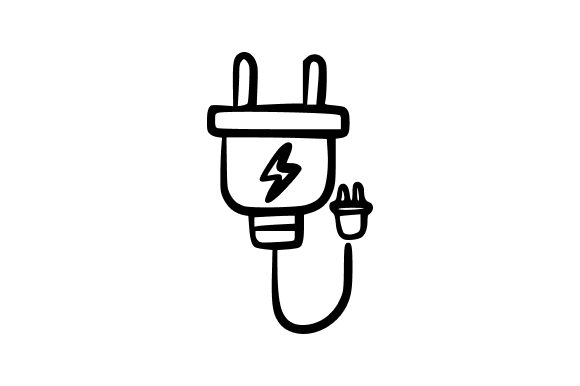
The Electrical Plug for Charging design immediately establishes a mood of connectivity and modern necessity. Unlike generic icons that feel sterile, this illustration carries a sense of warmth. It suggests power, energy, and the vital role technology plays in our daily lives. For an embroidery designer, this is crucial because the subject matter dictates the emotional response of the wearer or user.
Visually, the layout appears clean and focused. There are no distracting elements cluttering the frame, which is a massive plus when preparing a machine embroidery design. The shape of the plug itself offers distinct areas for different stitch types. The prongs invite sharp, precise satin stitch work, while the body of the plug provides ample space for a solid fill stitch to create depth and texture. It feels like a design that belongs in a collection dedicated to tech-savvy makers, electricians, or anyone who appreciates the "power" behind their favorite gadgets.
Real-World Application: A Custom Tote Bag Scenario
To truly test the viability of this embroidery file, I imagined a specific project: creating a custom tote bag for a local electronics repair shop or a maker-space workshop. The client wanted something that wasn't just a logo, but a statement piece that customers would actually want to carry.
Placing the Electrical Plug for Charging motif on a sturdy canvas tote is where this design shines. The contrast between the industrial nature of the plug and the soft, woven texture of the bag fabric creates an appealing juxtaposition. When I simulated the stitching process mentally, I could see how the stitch density would hold up against the friction of carrying heavy items. The design is robust enough to withstand frequent washing without losing its definition, making it perfect for a handmade product intended for daily use.
Imagine a customer walking into a coffee shop wearing a sweatshirt embroidered with this same plug design. It acts as a subtle conversation starter, signaling a love for technology or perhaps a profession in IT. The design works equally well on baby onesies for the parents who are always chasing a charging cable, or on aprons for the home cook who needs to keep their phone charged while they bake. The versatility here is high, provided the scale is adjusted correctly for each garment.
Technical Considerations for Embroidery Success
While the concept is strong, translating a digital graphics asset into a physical object requires careful planning. Not every design looks good when stitched, and the Electrical Plug for Charging is no exception. Here is what you need to consider before running this through your machine.
Hoop Size and Detail Level
If you attempt to stitch this design in a very small hoop, such as a 4x4 inch circle meant for a hat brim or a small pocket, you risk losing critical details. The prongs of the plug are thin lines; if they are too close together relative to the fabric size, the threads may merge, creating a muddy look. Always check the recommended hoop size for this file. If the instructions are missing, err on the side of caution and use a larger area to ensure the satin stitch edges remain crisp.
Fabric Texture and Stability
This design performs best on stable fabrics like denim, cotton twill, or felt. However, using it on highly textured fabrics, such as chunky terry cloth or loose-weave linen, can be tricky. The stitches might sink into the fibers, obscuring the clean lines of the plug. Conversely, stretchy fabrics like jersey require a heavy-duty stabilizer to prevent puckering. Without proper support, the tension of the fill stitch could warp the garment, ruining the professional finish of your custom apparel.
Thread Color Contrast
The visual impact of the Electrical Plug for Charging relies heavily on color choice. On a dark background, using white or bright yellow thread will make the plug pop, mimicking the glow of a lit device. On light backgrounds, black or navy thread offers a sleek, modern look. Avoid using thread colors that are too similar to the fabric, as this will cause the design to disappear into the material, reducing the overall value of the finished product.
Where to Use (and Where to Avoid)
There are certain projects where this design is a natural fit, and others where it simply won't work. For commercial embroidery projects like promotional caps, patches, or kitchen towels, this motif adds a touch of personality that generic patterns lack. It fits perfectly into a series of tech-themed designs, such as a set featuring headphones, keyboards, or circuit boards.
However, there are scenarios to avoid. Do not attempt to use this design on curved surfaces like baseball caps unless you have extensive experience with curved hoop attachments. The distortion can alter the symmetry of the plug, making it look off-center. Additionally, avoid placing it on garments that require frequent, harsh washing, such as gym uniforms, unless you use high-quality, colorfast threads. The detailed corners of the plug are susceptible to fraying over time if the stitch density is too low.
Designer Notes for Professional Results
Before you commit to producing a batch of these for your Etsy seller shop or a client order, follow these essential steps to ensure quality:
- Test on Scrap Fabric: Always run a test stitch on a scrap piece of the exact fabric you plan to use. This reveals issues with tension, puckering, or thread breakage before you ruin a final product.
- Check File Compatibility: Ensure your embroidery machine recognizes the file format. If the description does not specify supported formats, contact the provider to confirm compatibility with your specific brand of machine.
- Review Licensing: If you intend to sell the finished items, verify the commercial license terms. Some digital embroidery files allow personal use only, while others permit selling the physical goods. Ignoring this can lead to legal issues.
- Inspect Small Details: Zoom in on the digital preview. Are the prongs distinct? Is the outline clear? If the original illustration is blurry, the embroidery will suffer. You cannot embroider details that do not exist in the source file.
- Mockup Testing: Create black-and-white mockups to see how the design holds up without the distraction of color. This helps you judge the structural integrity of the stitch pattern.
Final Thoughts on Value and Appeal
The Electrical Plug for Charging design succeeds because it taps into a universal theme: the need for connection and power. It is a smart addition to any designer's library, offering a fresh alternative to traditional floral or abstract motifs. When executed with care, it elevates a simple item like a tote bag or a pillow cover into a thoughtful, personalized gift.
For crafters and small business owners, this file represents an opportunity to create unique design assets that resonate with modern audiences. Whether you are decorating a nursery for a tech-loving parent or branding a boutique for a gadget store, this illustration brings a level of professionalism and creativity that buyers appreciate. Just remember to respect the technical limitations of embroidery, choose your materials wisely, and always prioritize the clarity of the final stitch.
In the end, the success of this project depends less on the digital image and more on the skill of the operator. With the right approach, the Electrical Plug for Charging becomes more than just a graphic; it becomes a tangible symbol of energy and creativity in every finished piece.