Water Heater Colored Icons Review for Real Embroidery Projects
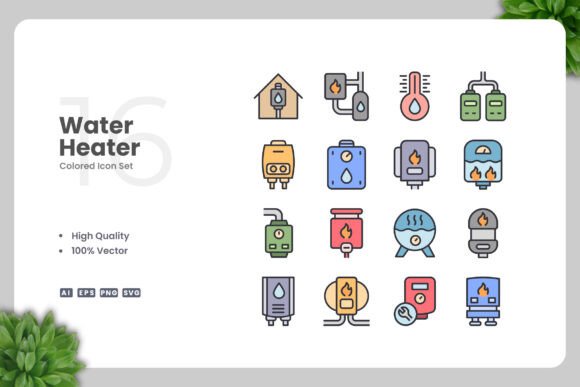
As a designer who has spent years turning digital concepts into tangible stitched pieces, I approach every new embroidery file with a mix of excitement and skepticism. When I first encountered the Water Heater Colored Icons, my initial reaction wasn't about the technical specs but rather the immediate visual mood it set. It feels utilitarian yet charming, striking a balance between industrial functionality and homey warmth. The design is simple and clean, which is exactly what you need when you are trying to create a handmade product that looks professional without overwhelming the fabric.
I often find that designs claiming to be "perfect for everything" end up being mediocre at best. However, this machine embroidery design holds its own because it understands the limitations of thread. The shape is bold enough to stitch clearly on a variety of surfaces, from the rough weave of a canvas tote bag to the soft knit of a baby onesie. Before I even thought about the stitching density or hoop size, I knew this was a graphic that could serve as a centerpiece for a custom apparel line or a subtle accent on a kitchen towel.
From Screen to Stitch: A Real-World Scenario
To truly understand how these icons perform, let's imagine a specific project. I recently worked with a small business owner who wanted to launch a line of eco-friendly kitchen accessories. She needed a logo for her brand of organic cleaning supplies and decided to use the Water Heater Colored Icons as the focal point for her embroidered aprons and tea towels. The challenge was ensuring the design would translate well from a vector file on a screen to a physical object that customers would hold and wash repeatedly.
The moment I loaded the file into the digitizing software, I appreciated the clean lines. Unlike complex illustrations that can get lost in satin stitch or turn into a blob of thread on dark fabric, this icon relies on clear shapes. For the apron project, I chose a natural linen background and paired the colored icon with a contrasting navy thread. The result was crisp and modern. It didn't look like a cheap clip-art sticker; it looked like an intentional part of the garment's design. This level of clarity is crucial for an Etsy seller or anyone selling small shop products where presentation dictates value.
Where This Design Shines in Embroidery
The versatility of the Water Heater Colored Icons extends far beyond just kitchen items. Because the design is scalable and vector-based, it adapts beautifully to different embroidery projects. I have seen similar graphics used effectively on sweatshirt embroidery for corporate giveaways, where a simple, recognizable symbol builds brand consistency better than a paragraph of text.
- Craft Business Items: These icons work wonderfully as decorative accents on tote bag design collections. They add a touch of personality to plain bags without requiring excessive thread colors or complex digitizing.
- Baby Embroidery: The clean aesthetic makes it safe for nursery decor. On a baby blanket or a christening gown, the icon provides a gentle, thematic element that parents appreciate.
- Holiday Gifts: During the winter months, a water heater icon can be reimagined for holiday themes, perhaps combined with snowflakes on a personalized gift mug sleeve or a festive pillow cover.
- Commercial Embroidery: For businesses in the plumbing or HVAC sector, this serves as a perfect logo for uniforms. It signals professionalism and trade expertise instantly.
When used correctly, these design assets elevate the perceived quality of the finished item. Customers trust brands that pay attention to detail, and a well-executed embroidered patch or logo suggests that the maker cares about the craft. Whether you are creating a printable mockup for your online store or producing the final goods, the clarity of this icon ensures your marketing materials look sharp.
Pitfalls to Watch Out For
While the design is robust, no single graphics file is a magic bullet for every situation. As an experienced reviewer, I must warn you about where this design might struggle if not handled with care. The simplicity that makes it great also means it lacks the structural complexity to hide errors.
If you attempt to stitch this on a very small hoop size, such as a 3x3 inch area on a cap brim, the details might become indistinguishable. Thin fabrics, like sheer cotton or lightweight synthetics, can pucker under the tension required to hold the icon together unless you use the proper stabilizer. Similarly, on stretchy fabrics like jersey knits, you must ensure the stabilizer is strong enough to prevent distortion, or the circular elements of the water heater might warp.
Dense stitch areas can sometimes trap lint or thread clumps, especially if you are using lower-quality thread. If you plan to put these items through frequent washing, as one would expect with custom apparel or kitchen linens, check that the thread colors are colorfast. Dark fabrics require careful selection of the icon's fill colors; if the contrast is too low, the design will disappear into the background, defeating the purpose of the digital embroidery file.
Practical Designer Notes for Success
Before you commit to a full production run of finished product samples, there are essential steps to take. First and foremost, always test the design on scrap fabric. This allows you to see how the stitch density interacts with your specific material and whether the running stitch or fill stitch settings need adjustment.
I recommend reviewing the design in black and white mockups before adding color. This helps you verify that the shape remains legible regardless of the thread palette you choose. If you are an apparel decorator working with layered garments, ensure the design fits within the seam allowances and doesn't interfere with zippers or pockets. Furthermore, inspect small details closely; sometimes, curves that look smooth on a monitor can appear jagged when stitched with a high thread count.
Finally, confirm licensing terms. While the description mentions the ability to resize and change color easily on vector software, it does not explicitly state the commercial rights for selling the final embroidered items. Always check the license agreement to ensure you are allowed to sell craft business merchandise featuring these icons. Using them without permission can lead to legal issues down the line.
In conclusion, the Water Heater Colored Icons is a solid addition to any designer's toolkit. It offers a clean, modern look that translates well from digital screens to physical threads. By understanding its strengths and respecting its limitations regarding fabric texture and hoop size, you can create high-quality embroidery projects that stand out in a crowded market. Whether you are making a holiday gift for a friend or building a brand for a boutique, this design provides the foundation for a professional and engaging final product.