Watermelon Summer Fruit Design: A Vibrant Graphic Asset for Content Creators
A Refreshing First Impression with a Splash of Summer
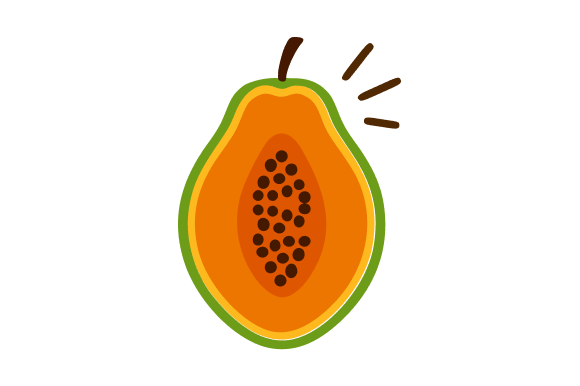
The moment I laid eyes on Watermelon Summer Fruit Design, it was clear this illustration was crafted to evoke warmth, joy, and the carefree spirit of summer. The bold colors, playful curves, and lifelike texture of the watermelon immediately set a friendly and inviting tone. This graphic asset feels lifestyle-focused, slightly feminine, and undeniably seasonal—perfect for content niches like food blogs, wellness sites, seasonal marketing campaigns, or even children's educational materials.
Its artistic yet modern style makes it feel both professional and approachable. It’s not overly decorative, which means it can work well in editorial layouts without overwhelming the content. For bloggers and digital publishers aiming to create a cohesive visual identity that stands out but still feels trustworthy, this design is a solid choice.
Real Publishing Use Cases for Watermelon Summer Fruit Design
Watermelon Summer Fruit Design is incredibly versatile and can be used across a wide range of publishing scenarios. Here are just a few examples of how it can elevate your content:
- Blog Featured Images: As a hero image or header, it adds a splash of color and personality to article pages, making them more engaging at first glance.
- Pinterest Graphics: Its vibrant nature fits perfectly with Pinterest’s visually driven platform, encouraging repins and clicks.
- Social Media Posts: Whether you're promoting a summer recipe, a wellness guide, or an affiliate product, this graphic brings a fresh, seasonal touch.
- Newsletter Banners: Used as a header or accent in email newsletters, it helps break up text while reinforcing a cheerful brand message.
- Downloadable Resources: Ideal for digital guides, worksheets, or printable designs, it adds visual appeal to lead magnets and content upgrades.
- Canva Templates: Easily integrated into templates for blog graphics, website headers, or social media posts, it streamlines the design process.
Its clean lines and balanced composition also make it suitable for use in web design elements like category thumbnails, banner ads, or even as part of a larger editorial layout.
How This Illustration Supports Content Performance
Using Watermelon Summer Fruit Design in your content publishing workflow can have a significant impact on how your audience perceives and interacts with your material. Here’s why:
- Stronger First Impressions: A visually appealing graphic grabs attention instantly, increasing the chances of readers staying on your page.
- Better Click-Through Potential: On platforms like Pinterest or social media, eye-catching visuals drive engagement and shares.
- Consistent Branding: When used consistently across blog headers, newsletter banners, or downloadable resources, it reinforces a recognizable visual identity.
- Improved Reader Trust: Clean, professional-looking visuals contribute to a polished and trustworthy brand image.
- Clearer Visual Hierarchy: It works well alongside text, helping to guide the reader’s eye and emphasize key points.
This graphic asset is especially useful for content marketing and affiliate marketing efforts, where the goal is to attract clicks and conversions through high-quality, shareable visuals.
Where This Design Works Best
Watermelon Summer Fruit Design shines brightest in situations where a warm, playful, and slightly whimsical aesthetic is desired. Here are some ideal placements:
- Hero Images: Perfect for landing pages or home sections that want to communicate a summer theme.
- Article Thumbnails: Adds visual interest to blog archives and search engine results pages (SERPs).
- Pinterest Pins: Naturally fits the platform’s visual culture, encouraging engagement and traffic.
- Editorial Accents: Can be used as a background element or border in magazine-style layouts.
- Content Upgrades: Makes downloadable resources like digital guides or printable designs more appealing.
- Category Visuals: Helps readers quickly identify sections like “Summer Recipes” or “Wellness Tips.”
- Social Media Previews: Enhances the look of shared links on platforms like Facebook or Twitter.
Use with Care in These Scenarios
While this design is highly effective in many contexts, there are a few areas where caution is needed:
- Small Mobile Thumbnails: The intricate details may get lost when scaled down for mobile viewports.
- Text-Heavy Blog Images: Avoid using it as a background if the accompanying text is dense; it could reduce readability.
- Low-Contrast Backgrounds: Ensure sufficient contrast between the graphic and any text overlays or backgrounds.
- Busy Layouts: It should be paired with minimalistic designs to avoid visual clutter.
- Corporate or Professional Niches: May not fit the tone of serious business or finance content.
Practical Publisher Notes for Using This Design
Before integrating Watermelon Summer Fruit Design into your publishing workflow, consider these best practices:
- Test on Multiple Devices: Check how it looks on desktop and mobile screens, especially as a thumbnail or within a real blog layout.
- Preview with Headline Text: Ensure the graphic complements your headlines rather than competing with them.
- Check Contrast and Readability: Always test it with different font styles—serif, sans serif, script, handwritten, and display fonts—to ensure legibility.
- Review File Size: Optimize the image for web performance by compressing it appropriately without losing quality.
- Confirm Licensing: Make sure you have a commercial license before using it on monetized websites, affiliate pages, or paid content products.
Watermelon Summer Fruit Design is a valuable addition to any designer’s toolkit. With its ability to enhance blog graphics, support editorial design, and elevate digital product visuals, it’s a great investment for anyone looking to boost their content’s visual appeal and performance. Whether you’re building a brand, launching a new blog, or creating downloadable resources, this graphic asset can help you stand out in a crowded digital space.